U.S. Disables Ship a Day Into Blockade, Strait of Hormuz Transits Hit Low As Risk Appetite Falls
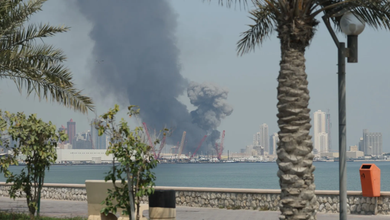
U.S. Central Command forces disabled an oil tanker, shooting Hellfire missiles in the ship’s smokestacks, just one day after the U.S. reinstated the blockade of all Iranian ports and coastline.
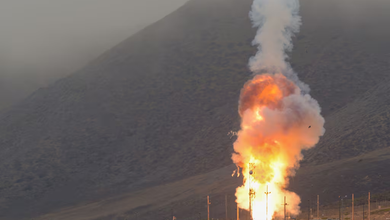
MT Belma (IMO: 9289491) was allegedly sailing toward Iran when CENTCOM forces said it ignored multiple warnings about violating the U.S. blockade. A U.S. aircraft then shot the Hellfire missiles into Belma’s smokestack, according to a Wednesday announcement from the U.S. command.
CENTCOM did not identify the aircraft that fired the debilitating shot nor its military branch. While the release said Belma was no longer transiting to Iran, additional details were not provided. The International Maritime Organization, which has tracked ships hit by both Iran and the U.S., lists the ship as damaged.
Belma flies a Curacao flag, but the International Maritime Organization said that it is a false flag. The oil tanker is registered to owner Max Maritime Solutions FZE, a company in the United Arab Emirates, according to IMO.
CENTCOM forces also redirected two other ships, according to the release.
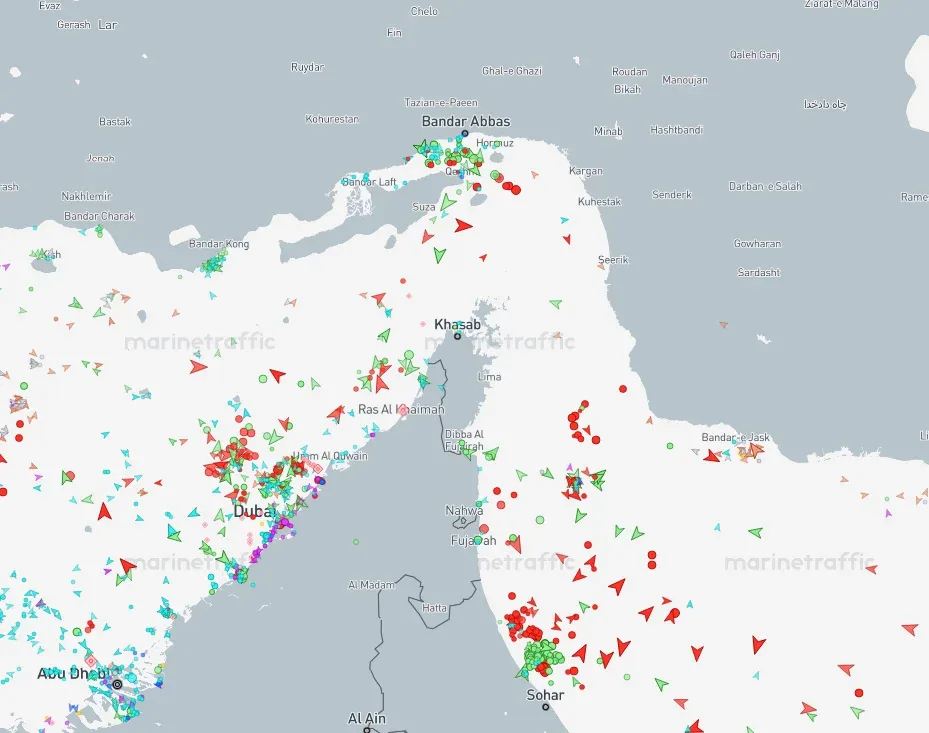
There was a 51.9 percent decrease in transits between July 9 and Wednesday compared to July 2-8, according to London-based Lloyd’s List Intelligence. Iran-linked transits also fell by nearly 30 percent in the same period.
The decrease coincided with the deterioration of the ceasefire between Tehran and Washington. During the near month that the ceasefire was in place, Strait of Hormuz transits — both east and westbound — sharply rose, with numbers as high as 63 transits on June 24. However, numbers remained far below pre-war transits.
The number of transits continued at higher numbers despite ongoing Iranian attacks on ships that used the route closest to Oman, which was promoted by both the U.S. and the IMO.
The current conditions now represent the most intense phase of fighting between the two countries, noting the consecutive U.S. strikes on Iran, Richard Meade, editor of Lloyd’s List said during a Thursday webinar. The difference in the current phase is that military targets are now spread across the Persian Gulf beyond just the Strait of Hormuz, Meade said.
Iran has threatened the alternative oil export pipelines, he said.
“What if this isn’t a crisis that ends with a diplomatic breakthrough,” Meade said. “What if we’re entering a long, messy period of instability that becomes – certainly approaching –the new normal.”
The ceasefire did allow ships trapped in the Persian Gulf to escape, Dimitris Maniatis, CEO of Marisks, said during the webinar. The IMO reported 2,900 seafarers were able to escape on their vessels during the ceasefire.
Now, nobody is willing to move, which is indicated by the lower transit numbers, Maniatis said. Overall, the risk appetite is down among the seafarers on the ships and the owners.
In the earlier stages of the conflict, crews were more willing to accept additional incentives to go through the strait. Now, the incentives are not enough, he said.
“It’s not about money anymore,” Miantis said. “It’s not about any other higher calling. It’s purely about the fear that is governing the decision making process right now.”
Owners are also not looking to go through the Strait of Hormuz because of the dangers to the ships.
“I think we’re in the worst situation we have been throughout this conflict and that is because most of the trust that people had in the past in the authorities — the U.S. Navy, the president of the United States — and everything that was spoken from these authoritative figures was taken word for word,” Maniatis said. “Right now, no matter what anybody says, I don’t think that a lot of people have put their trust in what they hear.”
There is less risk of Iranian strikes if the ships use the so-called Tehran Tollbooth instead of the southern Omani route. But that means coordinating with Iran, which could inflict sanction concerns and make Western ship owners less likely to use that route, he said.
“But at the end of the day, is the crew willing to go through? Is there insurance for the cargo, and is the owner willing to put his vessel through?” Maniatis said.