Army National Guard Senior Enlisted Leader visits Camp Williams to discuss leadership, readiness and the force’s future
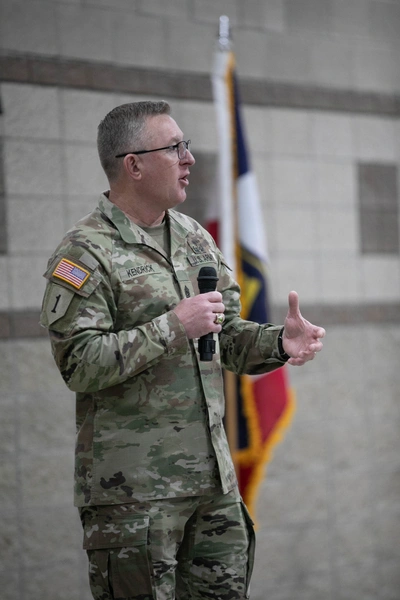
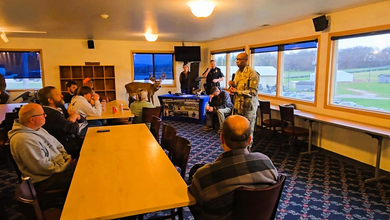
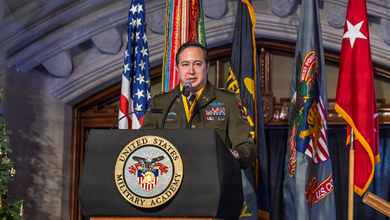
CAMP WILLIAMS, Utah — Camp Williams welcomed Command Sgt. Maj. James Kendrick, command sergeant major of the Army National Guard, who met with Utah National Guard leaders and personnel to discuss the Army National Guard’s current operational postures, evolving priorities and strategic direction for the future, Nov. 18, 2026.
Engagements like this help translate strategic priorities from the highest levels of command into actionable guidance for the noncommissioned officer corps. Kendrick emphasized the importance of strong leadership, more focused, and MOS-specific training to better prepare incoming Soldiers and developing well-rounded readiness by prioritizing emotional resilience and mental well-being throughout the force.
“Hosting CSM Kendrick at Camp Williams gives our Soldiers a valuable opportunity to hear directly from National Guard Bureau senior leadership and share our own experiences, ideas, and questions,” said Utah Army National Guard Command Sgt. Maj. Jed Lundell, 640th Regional Training Institute command sergeant major. “The exchange helps connect broader Army policies with the daily work of our schoolhouse while giving leadership a firsthand understanding of our successes and challenges. Furthermore, these visits strengthen the relationships that help us improve training and develop capable confident leaders for the Army”.
This visit at the 640th RTI put Kendrick in front of the staff and cadre that help mentor, teach and develop the future leaders of the force. During his town hall, Kendrick stressed the importance of developing Soldiers to become leaders who not only understand their own roles but also the duties and expectations required at the next level.
Kendrick explained that unit readiness and lethality are built on having a qualified, disciplined, and fit force. “We need Soldiers that are technically and tactically proficient. They have to be physically, emotionally and mentally fit, and we, as Soldiers and as units, have to be disciplined; those attributes have not changed,” he said.
“From my standpoint, interoperability is critical. We want our units to operate like active-duty units ensuring they are organized, equipped and trained to work alongside the active component,” said Kendrick. “As our leaders attend schools and learn how to fight these new units and organizations, they need to be working from the same doctrine with similar unit configurations and the same equipment. That is my primary focus.”
Kendrick’s message reinforced that readiness begins with developing Soldiers who are fit, prepared to lead and operate alongside the total force. Through disciplined leadership, focused training and continued professional development, the Army National Guard’s Noncommissioned Officer Corps remains essential to building capable units and maintaining a force that is always ready.