U.S. Forces Interdict Ship Connected to Iran in Indian Ocean, Iranian Oil Exports See Decrease
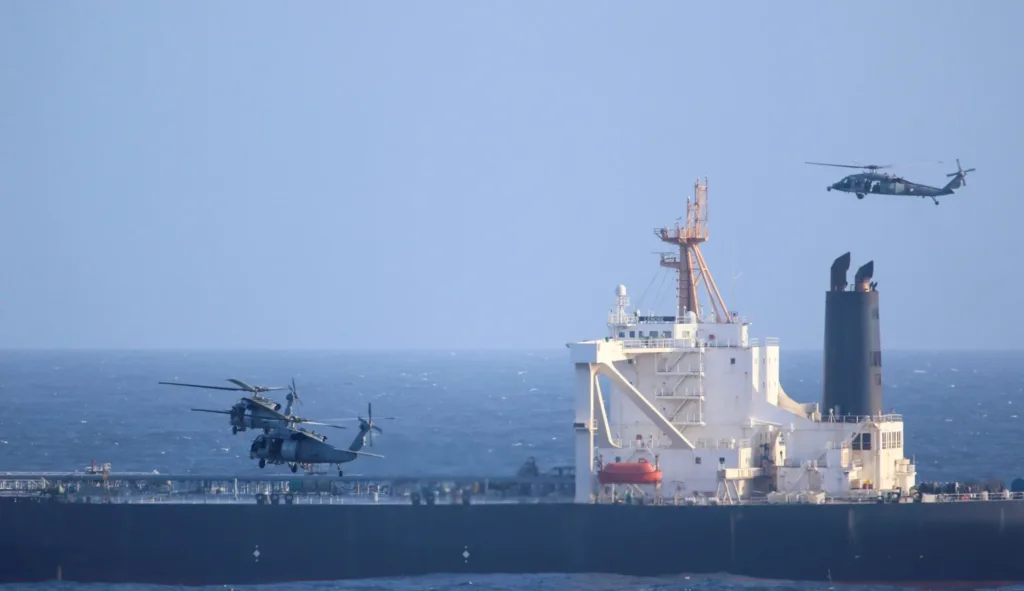
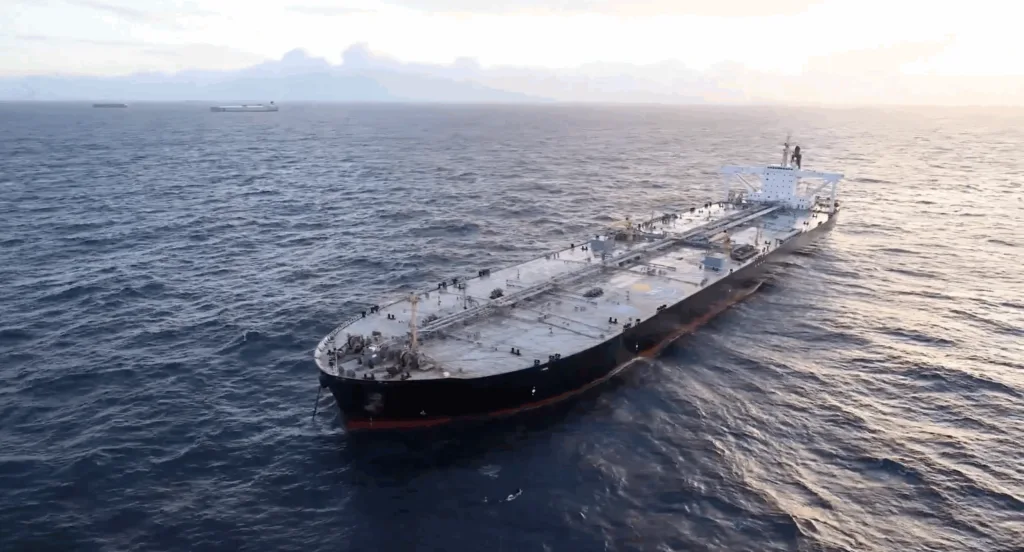
U.S. Indo-Pacific Command forces interdicted and boarded a stateless vessel in the Indian Ocean late Thursday as part of the expanded U.S. blockade of Iranian ports, the combatant command posted on social media site X.
The INDOPACOM post did not indicate whether the U.S. took possession of MT Davina (IMO: 9259367), which has gone by other names, including MT Lenore. The ship sails under a false Curacaoan flag, according to the International Maritime Organization. The U.S. has sanctioned the ship due to its connections to Iran.
The interdiction by forces operating from USS John L. Canley (ESB-6) is the latest in U.S. efforts to enforce a blockade against Iranian ports and stop oil from flowing to or from the country. The U.S. also disabled two more ships that attempted to run the blockade over the past two weeks, bringing the total number to six ships blocked from transiting the Strait of Hormuz since the blockade was implemented, according to U.S. Central Command.
The U.S. blockade greatly reduced Iran from exporting oil last month, according to United Against Nuclear Iran, a nonprofit policy organization. The group reported that Iran’s oil exports fell by more than 90 percent in May.
UANI found that Iran’s total volumes and the number of loadings fell compared to previous months in 2026. Iran exported 2.01 million barrels of oil in May, down 93 percent from April, UANI said. The value of exported oil in May was $219 million, down 94 percent from the previous month, according to UANI data.
“As the blockade drags on, the math is likely making both Iran and China very nervous,” Charlie Brown, senior advisor to UANI, told USNI News. Brown co-authored the May report.
Iran will face a storage issue for its un-exported oil, Brown said, adding the Islamic Revolutionary Guards Corps will also struggle with funding if Iran continues to face export issues. China, which is a large purchaser of Iranian oil, is burning through their floating reserves, he said.
“The economic crunch is guaranteed to hit both Tehran and Beijing,” Brown said. “The only question is whether the Trump administration has the domestic and international political capital to sustain the military effort required to keep the vise tight.”
Traffic through the strait remained relatively stable, according to data from London-based Lloyd’s List Intelligence. There were 37 transits from May 18-24 and 40 transits from May 25 to Sunday. So far this week, there have been 13 tracked transits. One noticeable difference between the two weeks is the rise of dark transits, where ships will turn off their automatic identification systems when making a run through the strait.
While the transits were up from May 18 to Sunday, overall, May saw the slowest traffic since the war began on Feb. 28, according to Lloyd’s List Intelligence.
This is partly due to the drop in Iranian crude exports, Lloyd’s List editor Richard Meade said during a Thursday webinar.
“In practical terms, though, Iran’s once robust sanctions busting network has realistically been reduced to a trickle of small, high risk voyages, while the bulk of its oil sits idle offshore,” Meade said.
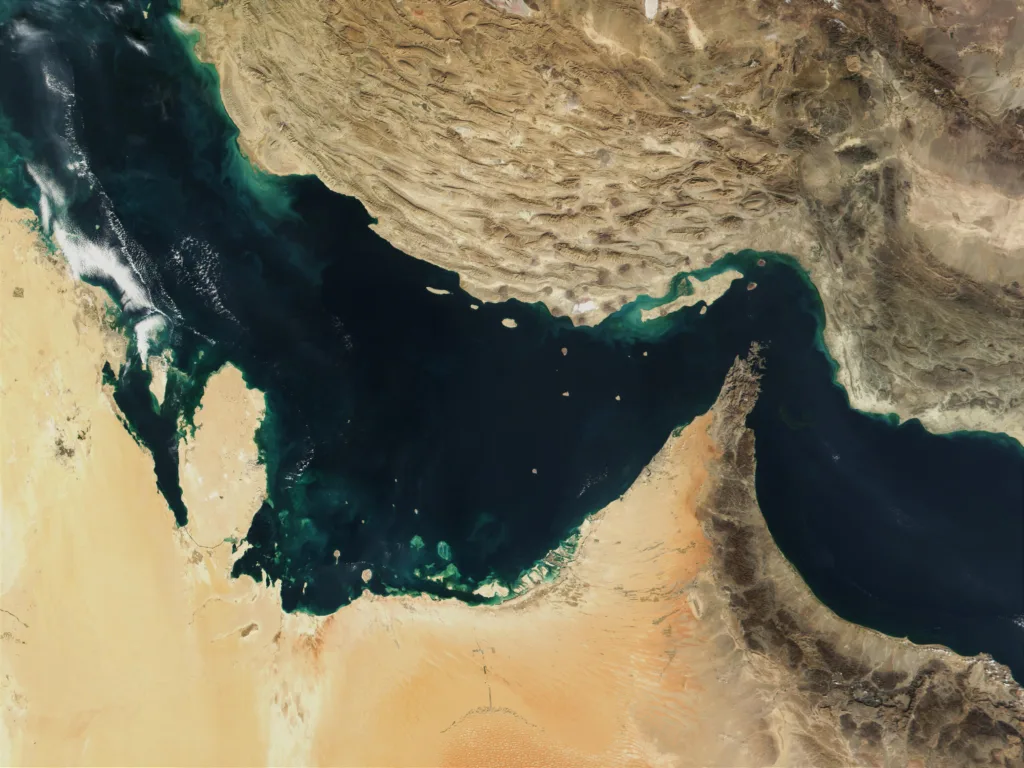
The risk for non-Iranian ships remains the same, Meade said. Ships must choose to go through the so-called Tehran tollbooth or take a risk by sailing closer to Oman. Since March, 142 non-Iranian ships have exited the Strait of Hormuz, Meade said.
Chinese-linked ships account for nearly a quarter of the ships that have exited through the strait since March 1, according to Lloyd’s List Intelligence.
Although the U.S. has not resumed Project Freedom – the short lived plan to provide assistance to commercial ships attempting to make their way out of the Persian Gulf – or began escorting ships, Washington appears to be providing some overwatch for ships that submit their plans to Naval Cooperation and Guidance for Shipping, a U.S.-NATO organization to help connect commercial shipping with the military, Meade said.
Overall, the risk for shipping remains relatively unchanged, Meade said, adding that the U.S. and Iran strikes will likely result in a deterioration of the regional operating environment.
On Monday, containership MSC Sariska V was likely hit by a drone while in port in Um-Qasr, Iraq, shipping company MSC said. The ship’s crew is safe.
MSC Sariska V is at least the 46th ship, tug or oil rig to be hit by Iranian or U.S. fire or be near the projectile landing site. There have been 11 seafarer deaths since the conflict began, according to the IMO.